


Analytics
Analytics-as-a-Service (AaaS) provides subscription-based data analytics software and processes in the cloud. AaaS typically provides a fully customizable BI solution with end-to-end capabilities to organize, analyze, and present data in a way that allows non-IT professionals to gain insight and take action.
With the ubiquitous rise of big data and the astronomical costs of analyzing these large datasets, CIOs are urged to choose AaaS web products that are more cost-effective than traditional licensed and on-premises solutions. It has become.
AaaS uses data mining, predictive analytics, and AI to effectively uncover trends and insights from existing datasets. In the past, running an analytical process in a data warehouse required a significant team of data engineers and data scientists. With
AaaS, big data cleansing, analytics, and actionable insights become a scalable and affordable option for companies at different stages of growth. From fully web-based AaaS to hybrid versions that integrate with existing infrastructure, embedded analytics enable organizations to make smarter decisions in real-time.
How can I use Analytics-as-a-Service?
Companies that rely on data from all industries are increasingly turning to AaaS for their analytical needs. Organizations with more robust IT departments can take advantage of AaaS for simpler descriptive analysis, which their own data scientists can unzip. On the other hand, companies with less advanced IT skills can use AaaS to perform more complex predictive and prescriptive analytics.
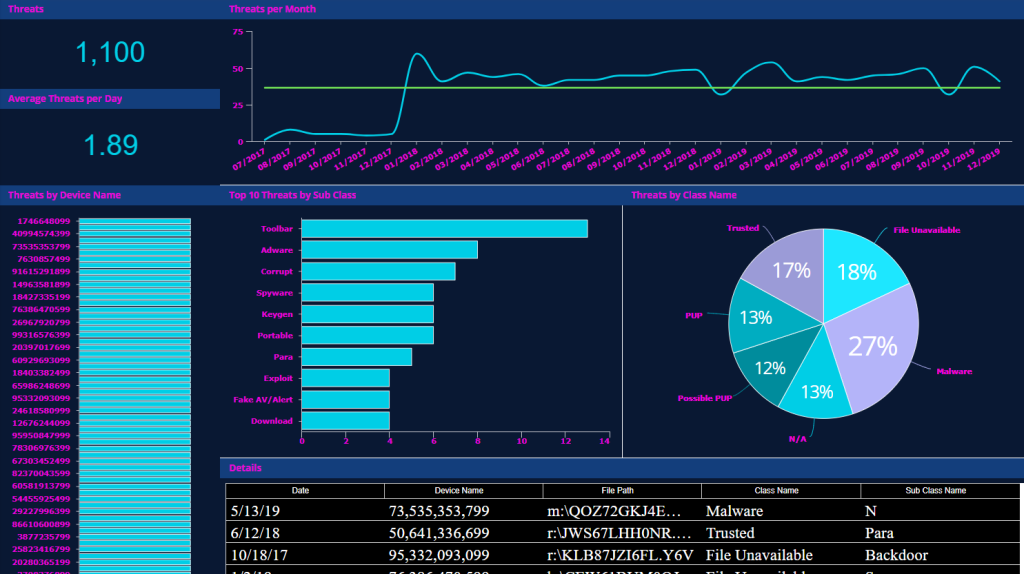
Check the actual operation :
One common example of an industry that’s embraced AaaS is retail. The industry produces petabytes’ worth of data from thousands of touchpoints—websites, mailing lists, in-store purchases, mobile POS, and more—and must constantly parse it and understand it to boost its revenues. On-premise analytics for these companies can be costly, as they would require teams of data scientists.
See it in action:
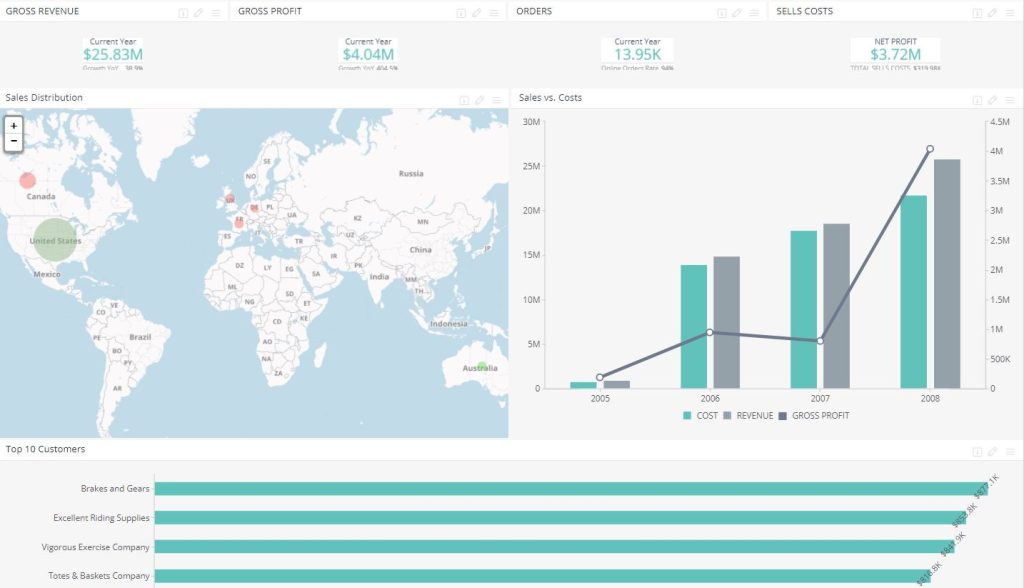
Tools like the CRM suite that simplify the process of onboarding data from multiple streams help enterprises organize and share data more effectively. AaaS reduces analytics costs and provides faster understanding, better insights, and more agile business processes.
From combining structured and unstructured data into a single data narrative to using machine learning and AI to estimate customer journeys, preferences, and purchasing patterns, AaaS is a future process and product. Notify you of your decision. Most importantly, all members of the team have access to the analysis without the need for a deep understanding of the analysis and the technology behind it.
Check the actual operation.